
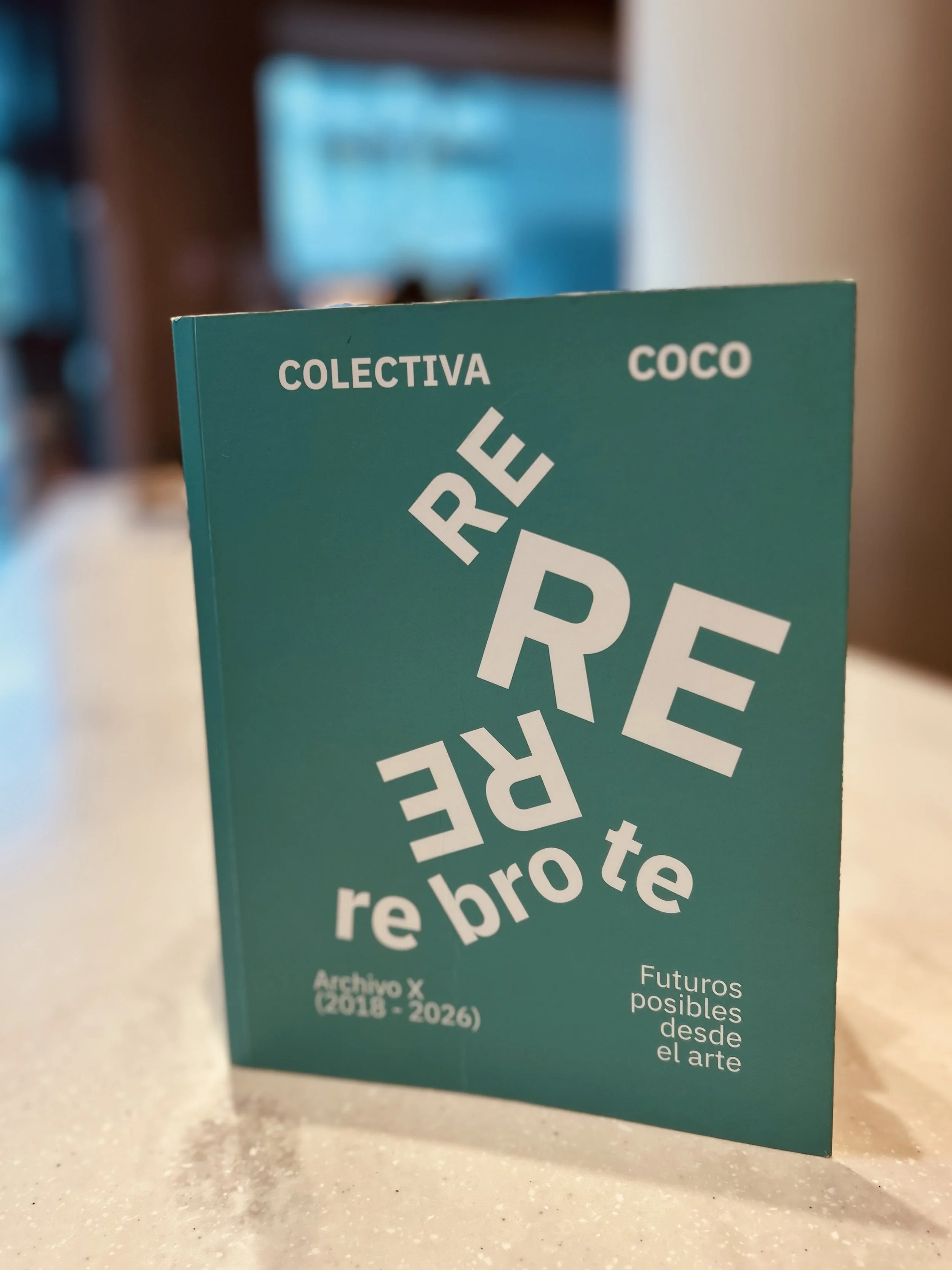
RE RE RE rebrote, Futuros posibles desde el arte
Traducción: [in]verso estudio
Diseño de interior y portada: Estudio harto
Corrección de textos: Colectiva COCO
Investigación y coordinación: Colectiva COCO
Impresión: Gráfica Mosca
Publicación: 2026
Colaboradores del libro: Alejandra Gónzalez Soca, Tamara Cubas, Jacqueline Lacasa, Pau Delgado Iglesias, Luisho Díaz, Virginia Sosa Santos, Catalina Bunge, María Mascaró, Natalia de León y prólogo de Megan Zeinal.
Apoya: Fundación Itau, MEC, INAV, GRÁFICA MOSCA
-
Sábado 17/10, 16hs
Invitadas: Roxana Fabius y Virginia Sosa junto con COCO
-
Domingo 18/10, 15hs
Invitada: Regan Pimienta junto con COCO
-
Jueves 22/10, 18:30hs
Invitada: Alejandra Gónzalez Soca
Apoyos
RE RE RE Rebrote. Futuros posibles desde el arte es una publicación de la colectiva COCO que surge como continuación y extensión vital de RIP. Una crítica feminista decolonial al arte en Uruguay (2023), donde decretamos la enfermedad de patriarcado y colonialismo, y anunciamos la muerte del campo arte nacional. Aquel primer gesto crítico diagnosticó al sistema del arte como enfermo de patriarcado y colonialismo, y junto a curadorxs e investigadorxs locales e internacionales, evidenciamos la invisibilización sistemática de mujeres e identidades disidentes en nuestra historia del arte.
Este segundo libro brota como una respuesta viva a ese diagnóstico: en la tierra que cubría ese cuerpo simbólicamente muerto, hoy emergen raíces que anuncian nuevas formas de ser, crear y vincularse. Frente a la violencia persistente —visible y estructural— proponemos imaginar futuros posibles desde la metáfora del brote vegetal: lo que resiste, se cuida y se expande en red.
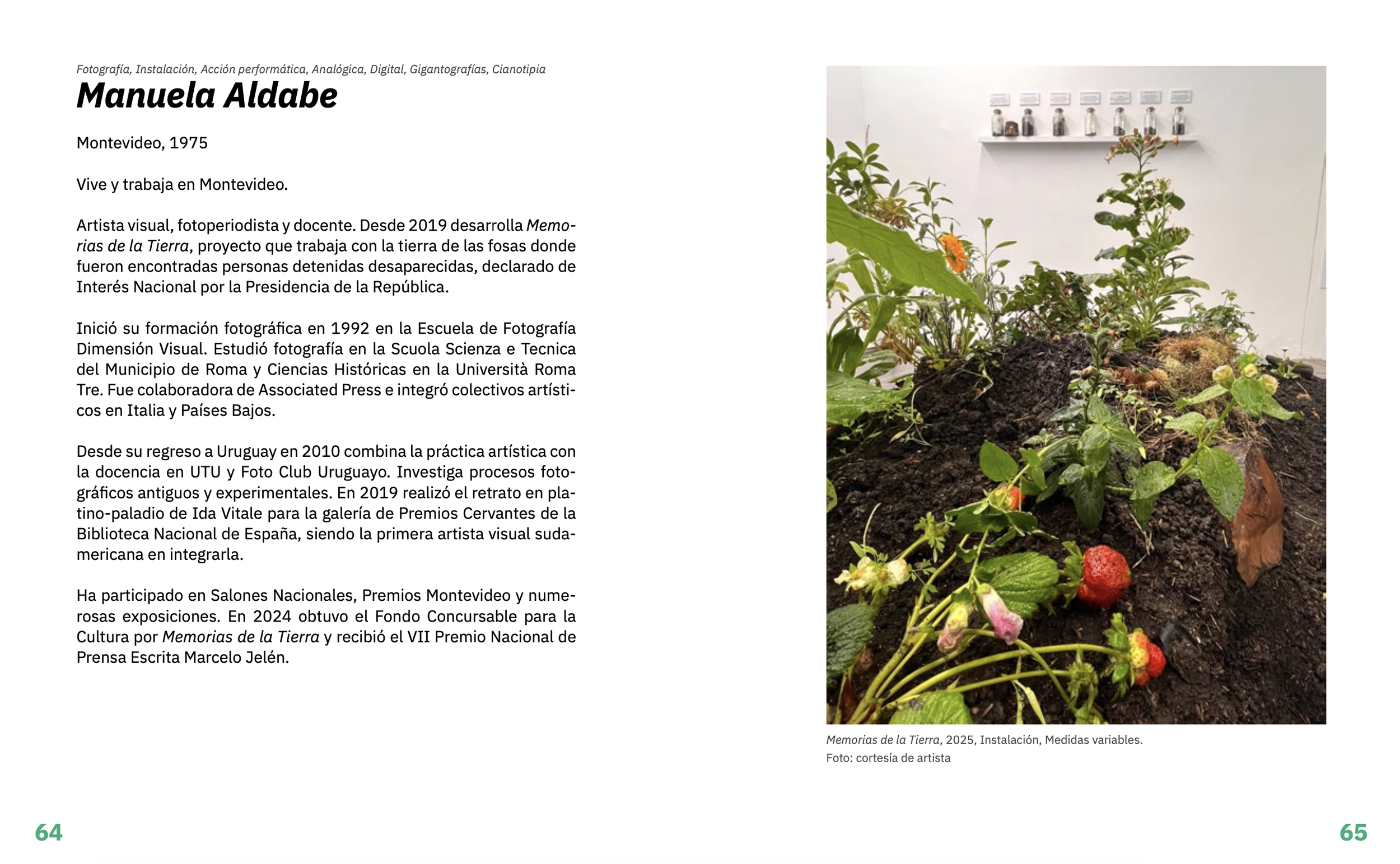
RE RE RE Rebrote. Futuros posibles desde el arte reunirá reflexiones, conversaciones e intercambios desde prácticas artísticas situadas, y dará cuerpo editorial por primera vez a Archivo X, un proyecto en expansión que visibiliza y conecta a artistas mujeres y disidencias. Esta sección incluirá fichas con información de lxs artistas, imágenes y fragmentos de obra, en un gesto de recuperación y justicia simbólica.
En su segundo libro, la Colectiva COCO nos invita a explorar nuevas formas de ser, crear y vincularnos desde las prácticas artísticas. A partir de una mirada feminista, comunitaria y ancestral, esta obra reúne reflexiones, voces diversas y una herramienta fundamental: la materialización en papel de Archivo X, un proyecto de justicia simbólica que visibiliza a artistas mujeres y disidencias históricamente excluidas del canon nacional.
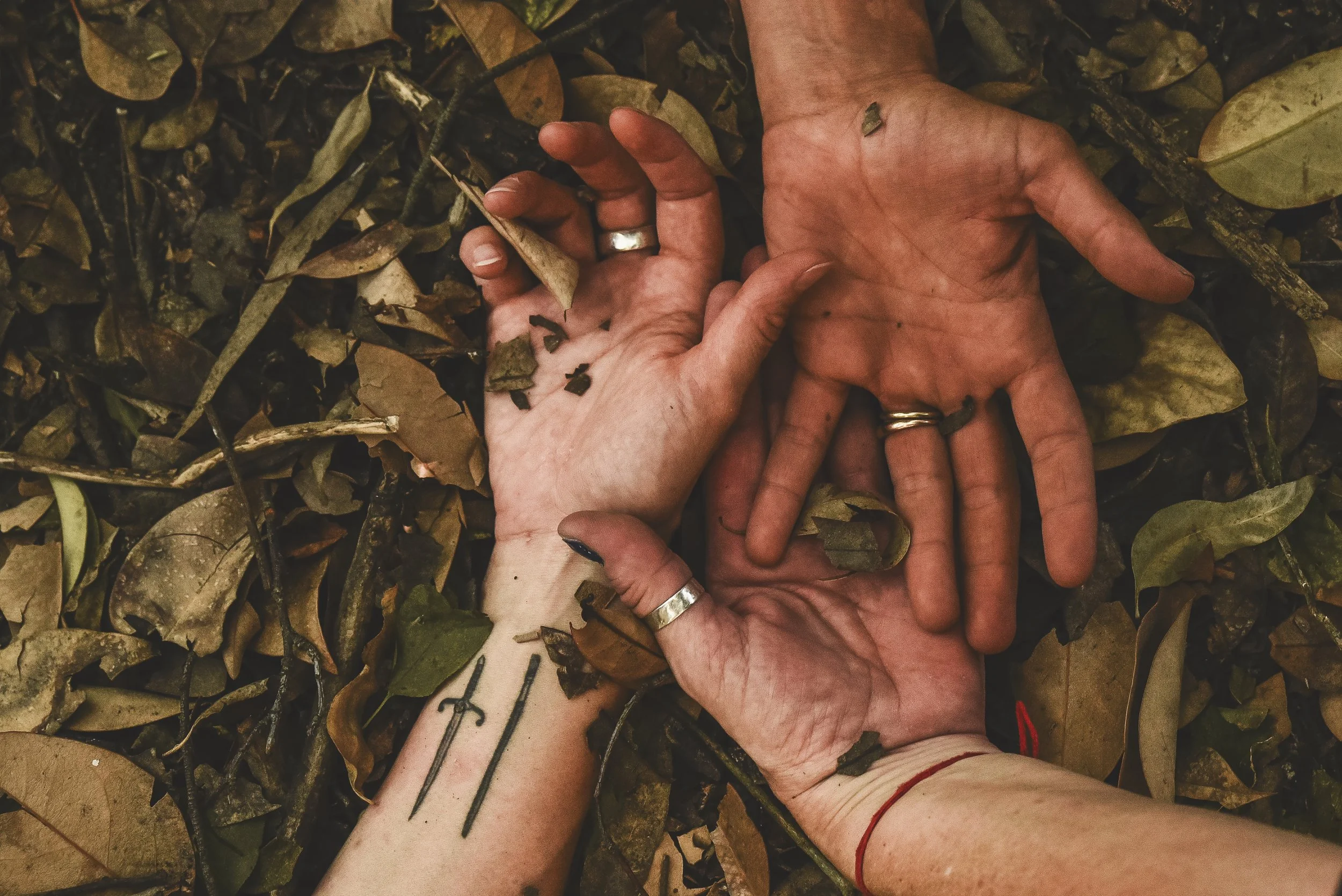
Ante un mundo espectacularizado que promueve la individualización, es urgente proponer nuevas formas de estar en las aulas que motiven otras formas de relacionarnos, de activar el deseo y la curiosidad, y sobre todo recuperar la capacidad de adueñarnos de nuestras posibilidades creativas y transformadoras. Las prácticas artísticas son una posibilidad poderosa para reconectar con la pulsión vital en degradación constante ante la mercantilización de todas las acciones humanas; habilitar la imaginación, la intuición, las dinámicas colaborativas y arriesgarse a la experimentación colectiva, son prácticas de resistencia y estimulación fundamentales para un futuro que integre nuestra humanidad con el contexto social, ecológico y más que humano.
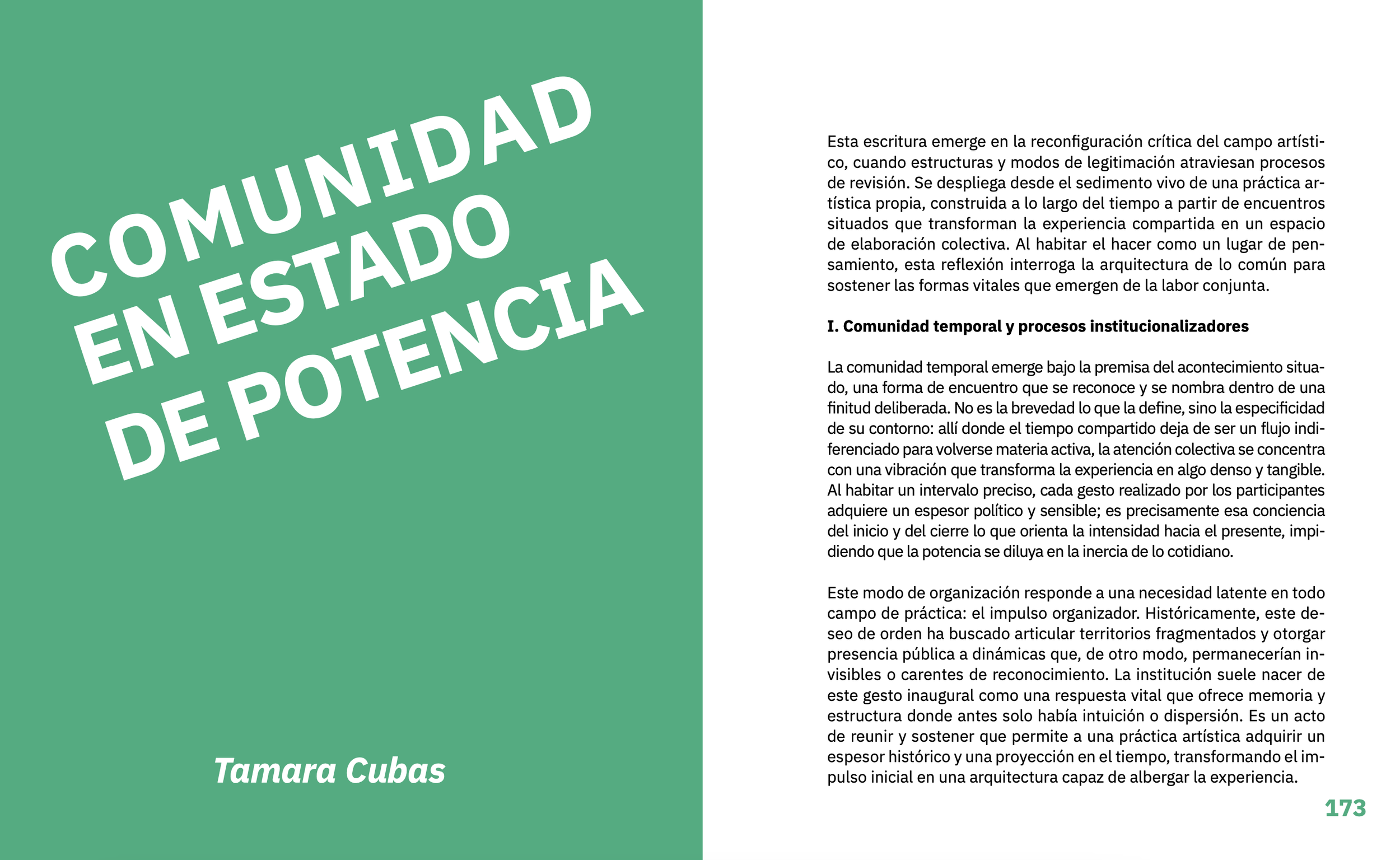
Presentación en el MNAV (Montevideo)
Sábado 17/10
Invitadas: Roxana Fabius y Virginia Sosa Santos


Presentación en la Feria del libro, en la IMM (Montevideo)
Domingo 15hs
Invitada: Regan Pimienta
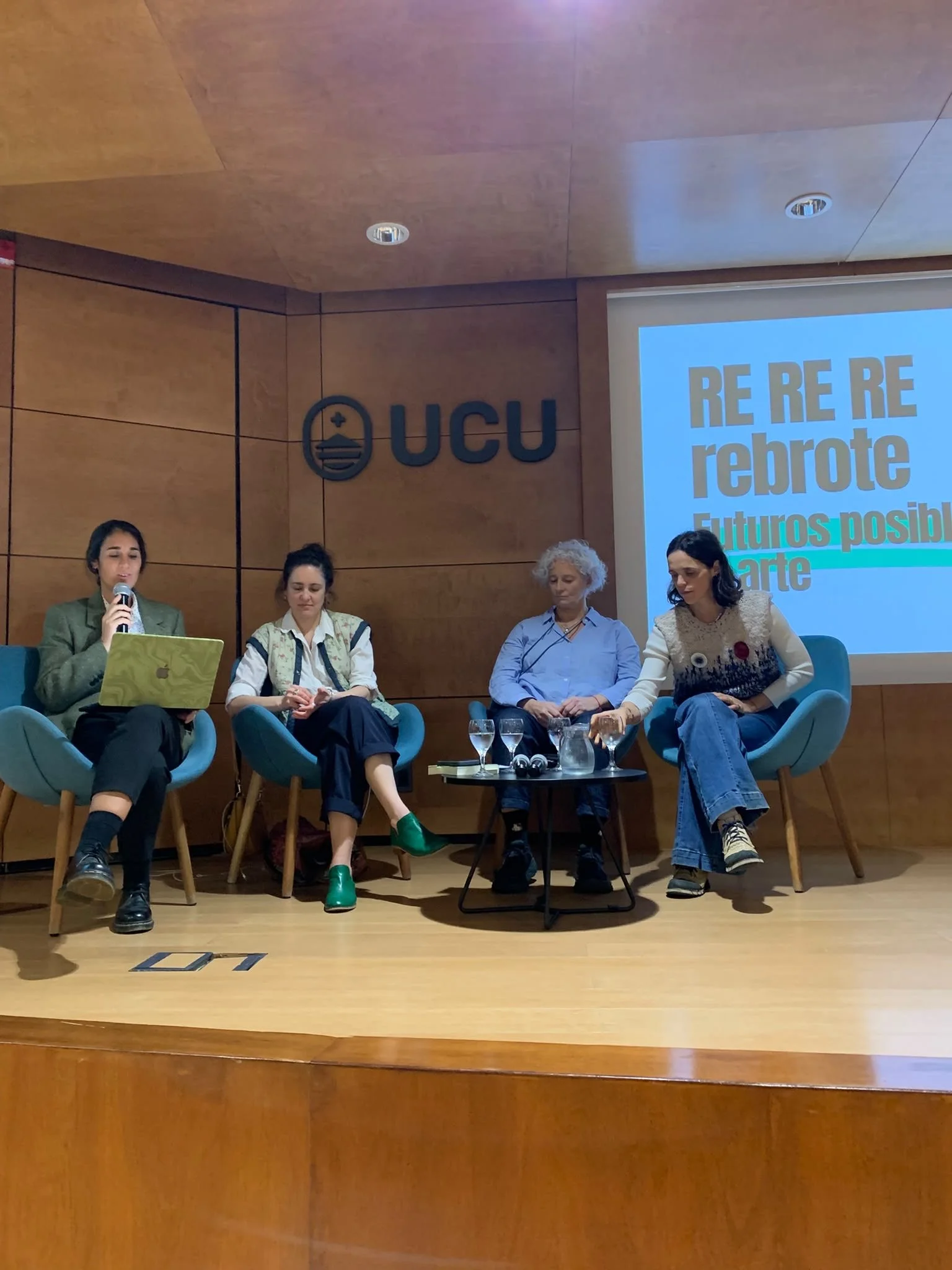
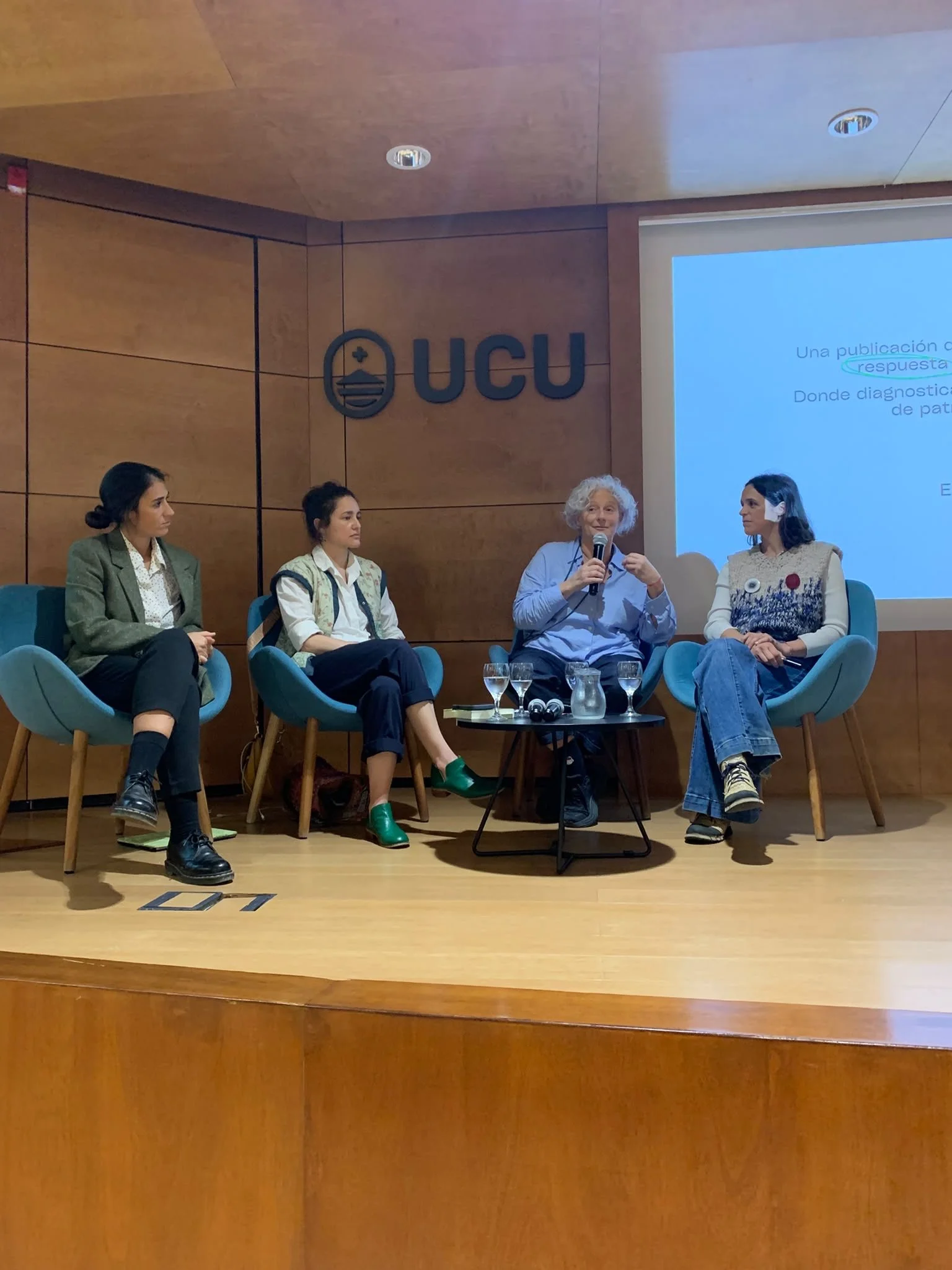
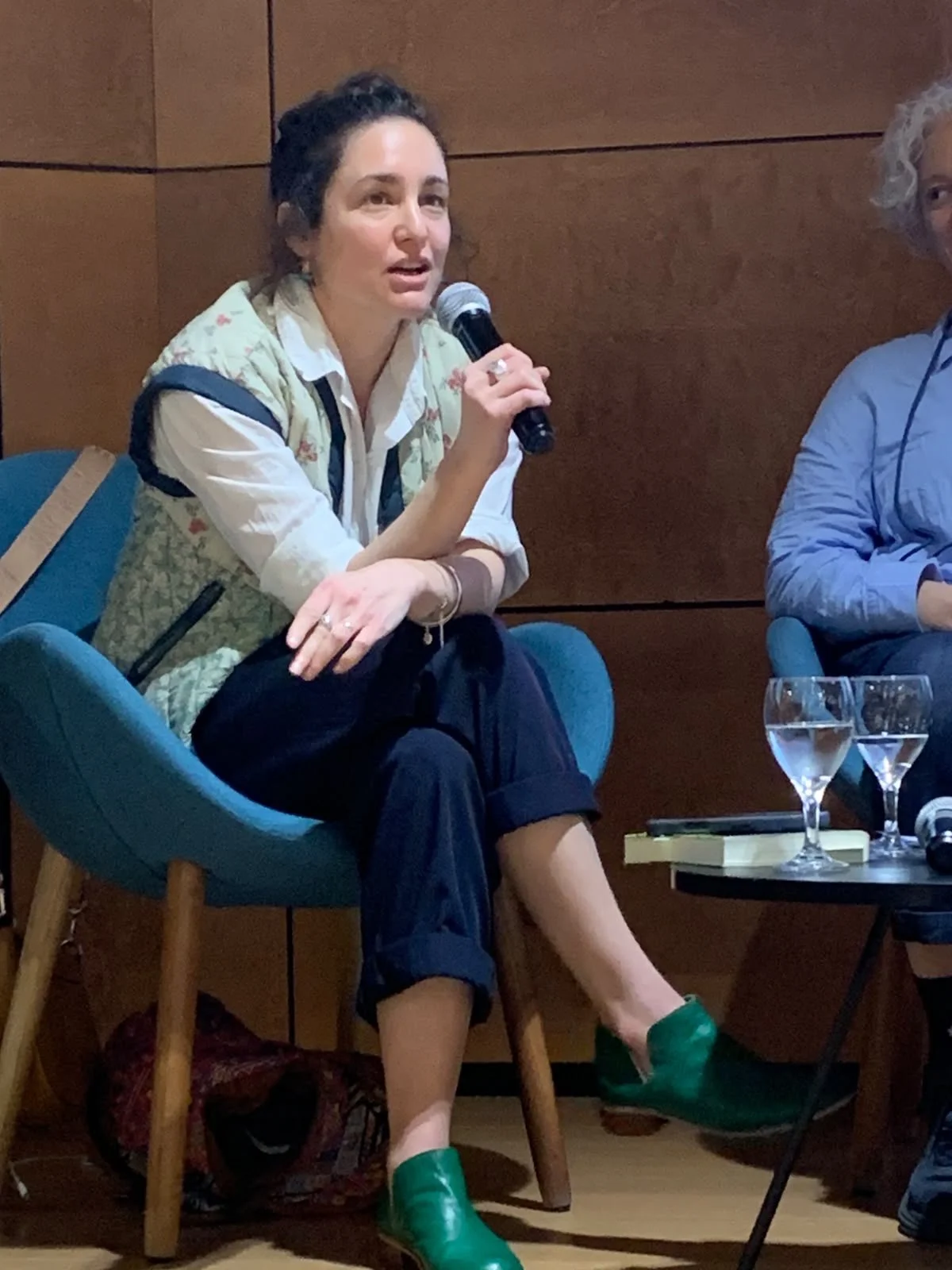
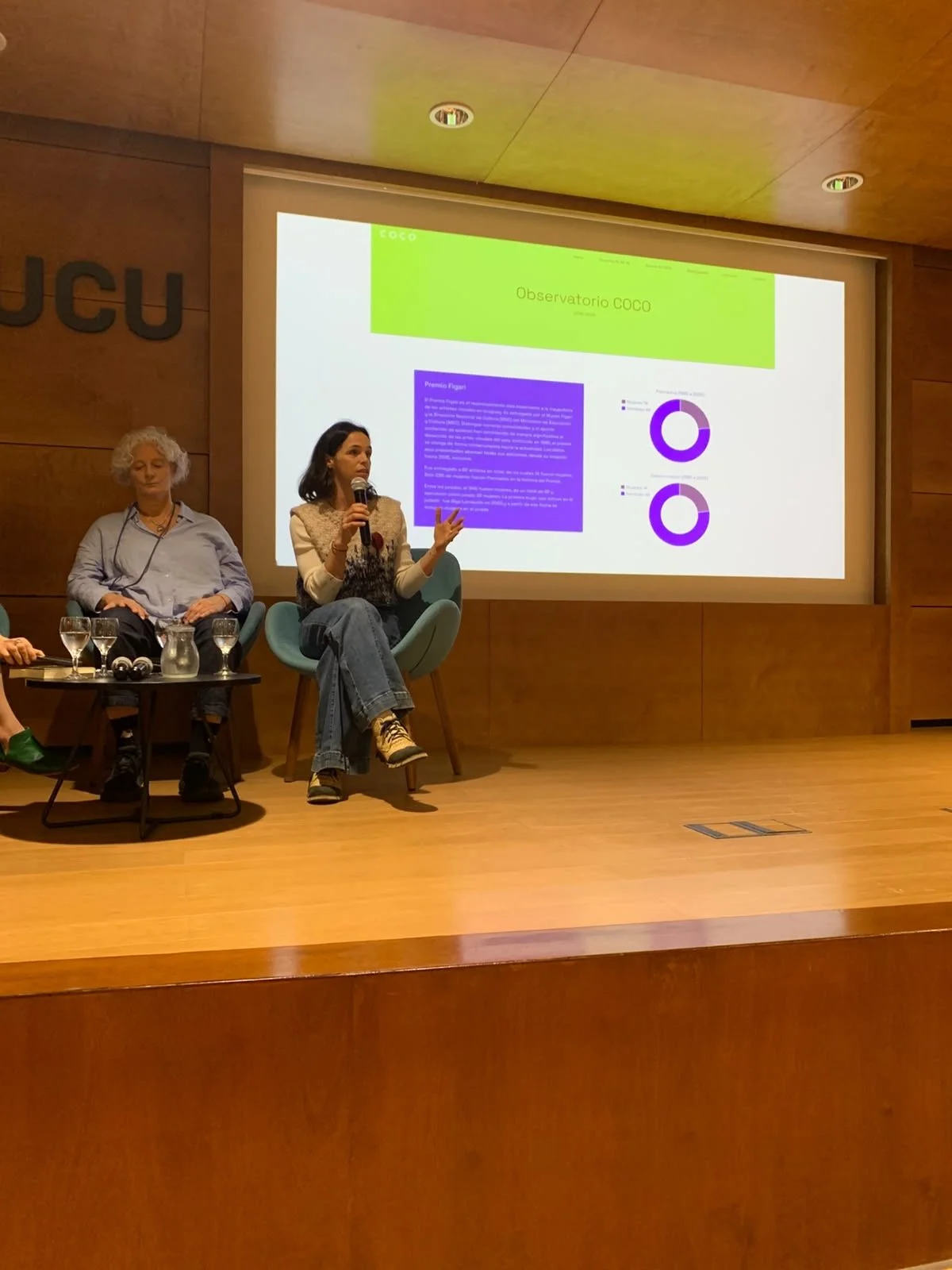
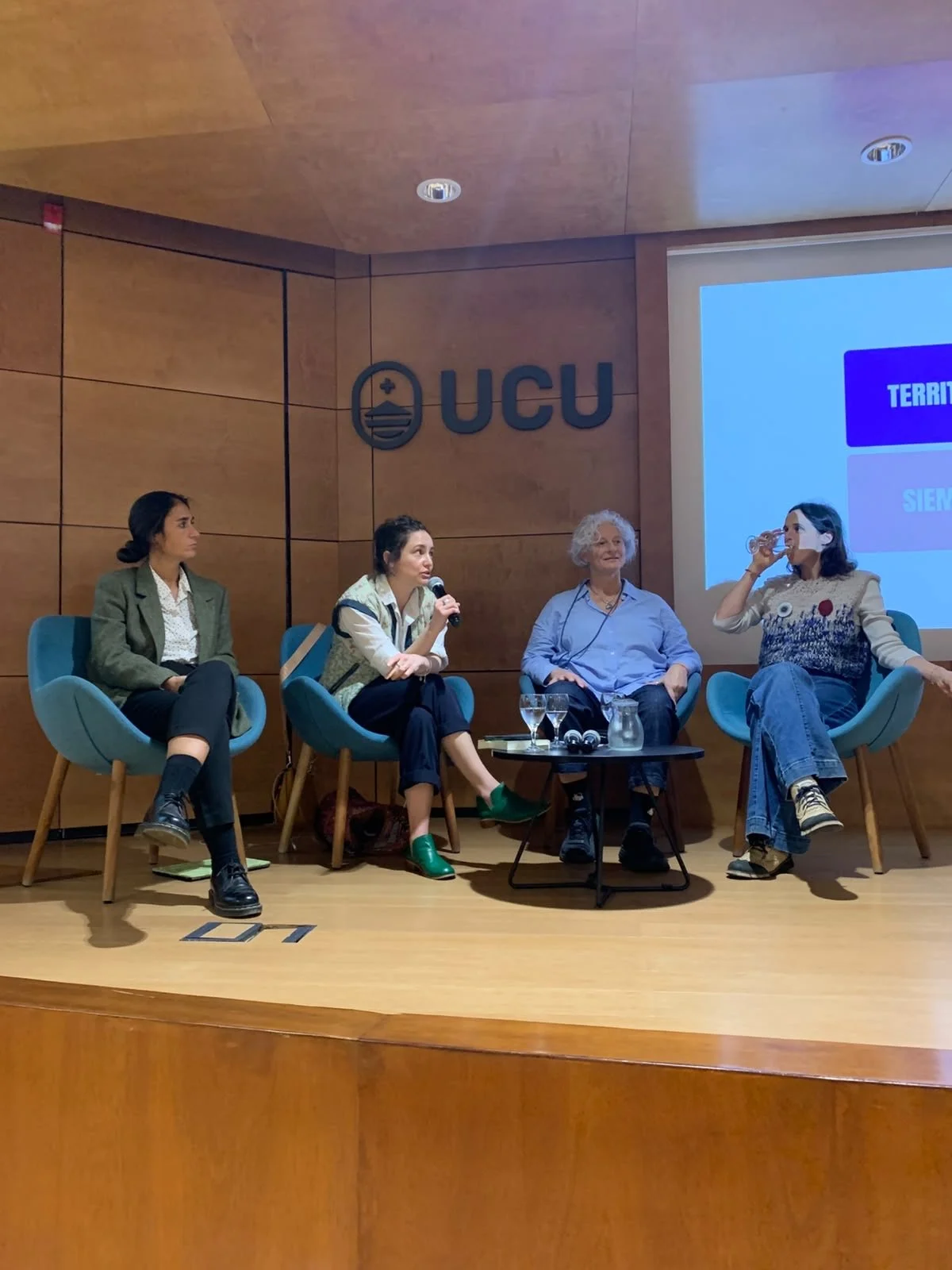
Presentación en Solanas Art Experience
Jueves 22/10
Invitada: Alejandra Gónzalez Soca


Presentación en Dain Usina Cultural, Bs As, 29/07/24


